 Holy Bible Online
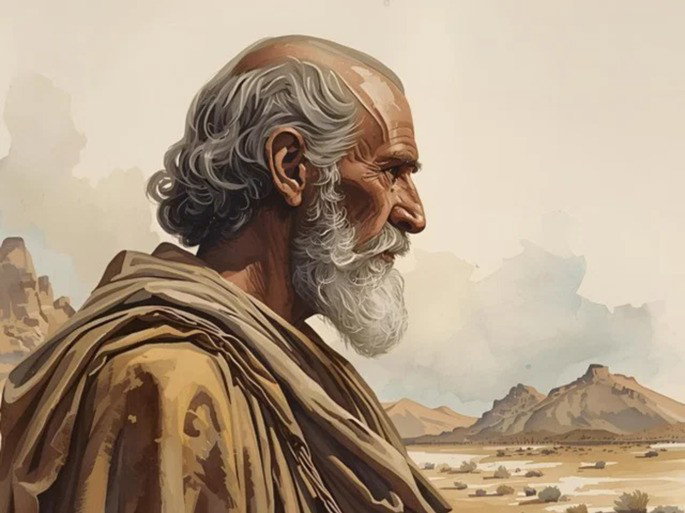
Lot was the nephew of Abraham and the son of Haran. He accompanied his uncle on his journeys in search of the Promised Land. Wealthy in livestock, he eventually separated from Abraham and chose to live near Sodom, a city known for its corruption. When God destroyed Sodom and Gomorrah, Lot was saved by angels, but his wife turned into a pillar of salt after looking back. His legacy serves as a warning about choices and faithfulness to God.
Lot’s story is recorded in the book of Genesis, chapters 11 to 19. When God called Abraham to leave his homeland and go to Canaan, Lot decided to go with him. Both prospered greatly, and because they had many flocks and servants, conflicts arose between their shepherds. To keep the peace, Abraham allowed Lot to choose where he wanted to live. Lot chose the fertile valley near the cities of Sodom and Gomorrah.
Even while living among wicked people, Lot tried to remain righteous. The Bible describes him as someone who was distressed by the sinful behavior of the inhabitants. When God decided to destroy Sodom and Gomorrah because of their wickedness, He sent angels to warn him.
The angels instructed Lot to flee with his family and not look back. However, his wife disobeyed and was turned into a pillar of salt. Lot and his two daughters took refuge in a cave in the mountains.
Fearing that their family line would end, his daughters made their father drunk and had children by him. This sinful act led to the origin of the Moabites and the Ammonites, who later became enemies of Israel.
The Bible does not report exactly how Lot died, but his story serves as an example of faith, human weakness, and the consequences of choices. He is remembered as a righteous man who, despite his failures, was spared by the mercy of God.
Bible Study About Lot
Lot’s Wife: Paralyzed by the Past
Lot’s wife is a figure that symbolizes attachment to the past and disobedience to God’s voice. When the angels warned Lot about the destruction of Sodom and Gomorrah, they ordered him, his wife, and his daughters to flee quickly and not look back (Genesis 19:17). This instruction represented the need to completely abandon the corrupt life and move forward in obedience.
However, during the escape, Lot’s wife disobeyed. Overcome by longing for the life she was leaving behind and memories of Sodom, she looked back and was immediately turned into a pillar of salt (Genesis 19:26).
This event symbolizes the danger of hesitating when responding to God’s call and keeping the heart attached to what God has already judged and left behind. The story of Lot’s wife is a warning for today, highlighting the importance of obeying God, moving forward with faith, and not allowing the past to prevent us from living out the Lord’s purpose.
Lot and Abraham: The Relationship Between Uncle and Nephew
Lot was Abraham’s nephew, the son of Haran, and from an early age he maintained a close relationship with his uncle. When God called Abraham to leave his land and go toward the Promised Land, Lot decided to accompany him, showing trust and loyalty.
Both prospered greatly in possessions and livestock, but over time conflicts arose between their shepherds because of the lack of space. Instead of allowing disagreement to separate them, Abraham, with wisdom and generosity, gave Lot the freedom to choose where he wanted to live.
Lot chose the plains of the Jordan, near Sodom, attracted by the fertility of the region. Even after they separated, Abraham continued to care for his nephew: when Lot was captured during a war between kings, Abraham organized an expedition and rescued him. Later, when he learned that Sodom would be destroyed, Abraham interceded before God for Lot and his family. Their relationship is marked by love, care, and faith, and it shows how Abraham acted with compassion and a strong sense of family responsibility.
Lot and the Destruction of Sodom and Gomorrah
The story of Lot and the destruction of Sodom and Gomorrah is told in Genesis 19. Lot lived in Sodom, a prosperous city but one marked by great wickedness and immorality. Although he was considered righteous, Lot lived among people who rejected the will of God. The situation became so serious that God decided to destroy Sodom and Gomorrah because of their sins.
Before that, He sent two angels to the city to warn Lot. They were received in his house, but the men of Sodom tried to attack them, revealing the moral corruption of the place. The angels then revealed God’s purpose and ordered Lot to flee with his wife and daughters without looking back.
At dawn, Lot hurried out of the city, and soon fire and sulfur rained down, destroying everything. His wife, after disobeying and looking back, was turned into a pillar of salt. Lot and his daughters took refuge in a cave in the mountains, where they survived and began a new and difficult stage of their lives.
Learn more about how the Cities were destroyed by God.
The Daughters of Lot: The Sin That Gave Rise to the Ammonites and Moabites
After the destruction of Sodom and Gomorrah, Lot and his two daughters took refuge in a cave in the mountains, fearing that the same fate had reached other cities.
The young women believed that all humanity had been destroyed and that there would be no men left to give them descendants. Driven by this fear and their lack of faith, they decided to make their father drunk and lie with him without Lot realizing what was happening.
The older daughter became pregnant and gave birth to a son named Moab, the ancestor of the Moabites. The younger daughter also had a son, named Ben-Ammi, the father of the Ammonites. These peoples settled east of the Jordan River and later became constant enemies of Israel, practicing idolatry and negatively influencing God’s people.
The sin of Lot’s daughters brought shame and lasting consequences. Although their intention was to preserve their family line, their actions revealed a lack of trust in God’s provision. For Lot, this episode represented the bitter result of his choices and of moving away from an environment of faith and obedience to God.
How Lot Died
The Bible does not report where or how Lot died. After the episode in which he fled from Sodom and Gomorrah and took refuge in a cave with his daughters (Genesis 19:30–38), the biblical text no longer mentions his life or death. All that is known is that he remained isolated, living in the mountains, where the sin involving his daughters occurred and gave rise to the Ammonite and Moabite peoples.
Although there is no record of his death, Lot is remembered in other parts of the Bible as a righteous man who suffered while living among the corruption of Sodom (2 Peter 2:7–8).
His story ends quietly, suggesting that he lived in isolation until the end of his days. Thus, his death remains a mystery, but his life serves as a testimony about the consequences of choices and the importance of obedience to God.
What We Can Learn from Lot
The story of Lot is rich in lessons about faith, choices, and consequences. Lot was a righteous man, but his decisions did not always reflect spiritual wisdom.
By choosing to live near Sodom, a prosperous but morally corrupt city, Lot prioritized material advantages instead of considering the spiritual impact on his family. Even so, God showed mercy by sending angels to rescue him before the destruction of the city.
Lot’s life shows that even people of faith can be influenced by their environment and make decisions that bring suffering. His wife, by looking back, represents the danger of clinging to the past and disobeying God’s direction. His daughters reveal what happens when people act out of fear and without trust in the Lord.
Despite his failures, Lot was spared, reminding us that God is merciful toward those who still seek Him.
Main Events in Lot’s Life
- Abrahamic origin: Lot was the son of Haran, brother of Nahor, and nephew of Abraham. (Genesis 11–12)
- Departure with Abraham: When God called Abraham to leave his land, Lot accompanied him on the journey to Canaan. (Genesis 12:4–5)
- Accumulation of wealth and separation: Both prospered greatly with livestock. Conflict arose between the shepherds, so Abraham proposed that they separate; Lot chose the Jordan Valley near Sodom. (Genesis 13:5–12)
- Life near Sodom and Gomorrah: Lot lived in Sodom, a city known for serious immorality. He tried to maintain some sense of righteousness but exposed himself to risky situations because of the environment. (Genesis 13; 19)
- Divine warning and escape: Angels came to warn him of the coming destruction of Sodom and Gomorrah. Lot was instructed to leave with his wife and two daughters and not look back. (Genesis 19:12–17)
- Lot’s wife becomes a pillar of salt: His wife disobeyed the command not to look back and was turned into a pillar of salt. (Genesis 19:26)
- Sin with his daughters: After fleeing, Lot and his daughters took refuge in a cave. The daughters, fearing the end of their family line, made Lot drunk and had children by him. (Genesis 19:30–38)
- Legacy and descendants: The sons born from this sin gave rise to the peoples of Moab and Ammon, who later played an important role in Israel’s history.
- Death: The Bible does not report how or when Lot died; the details of his end remain unknown.
See also: